
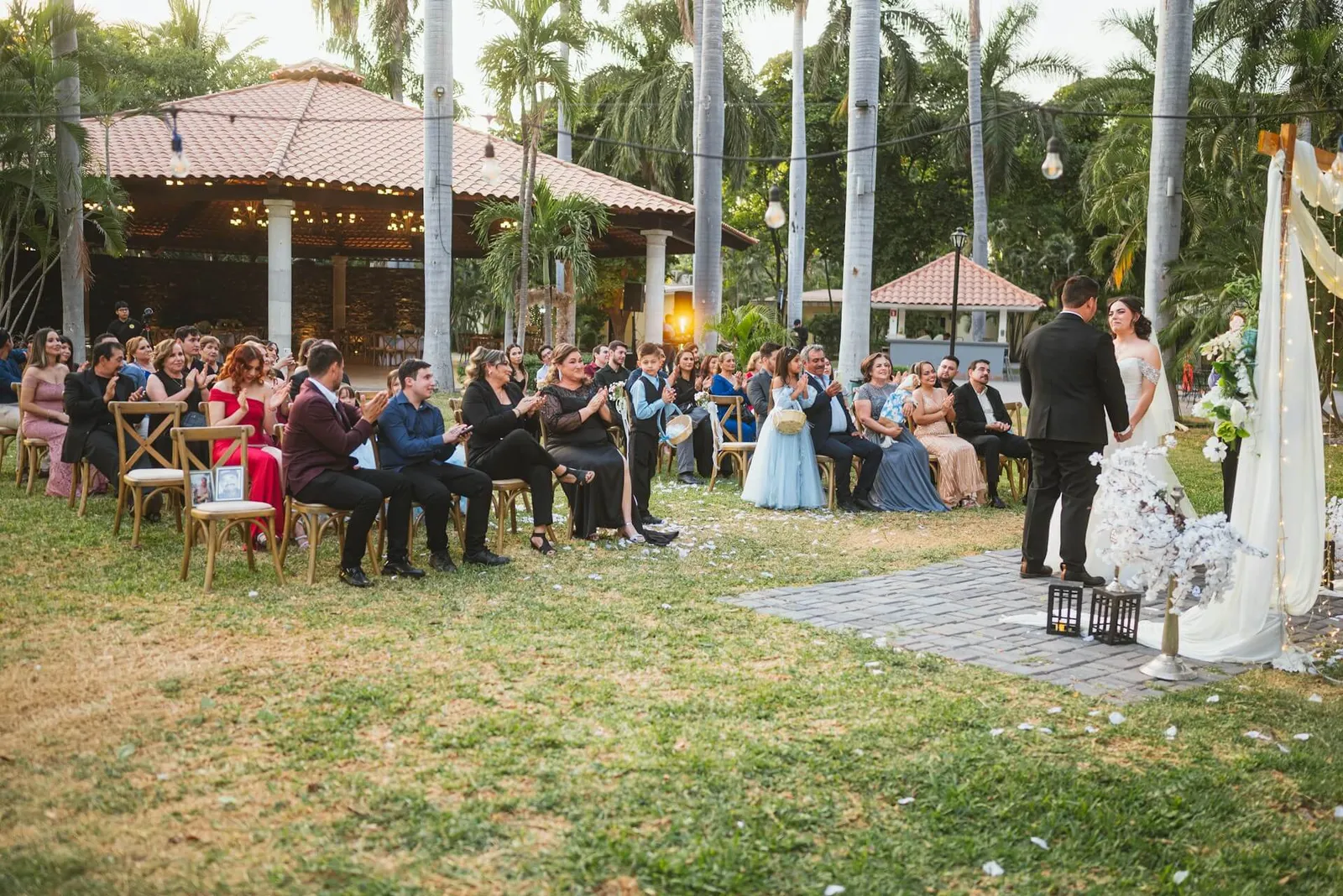
A wedding day timeline is mostly a list of people who need to be in a certain place by a certain time. The hair and makeup artist at the hotel by 8. The photographer at the bridal suite by 11. Guests in their seats by 1:45. The couple's car at the door at 2, and not a minute before the guests are sitting down. With an average of 117 guests at a US wedding, according to The Knot's Real Weddings Study, that's a lot of people to keep moving in the right order.
Whoever runs the day, a planner, a venue coordinator or a very organised maid of honour, spends a lot of it on the phone asking the same thing: where are you? A shared live map answers that question for the handful of people whose arrival actually changes the schedule.
Who goes on the map
Not every guest. The map is for the people the timeline depends on:
- the couple, or whoever is travelling with each of them
- the person running the day
- the drivers: the wedding car, the guest shuttle, whoever is collecting grandparents
- suppliers who are happy to join for the day, usually the photographer and the hair and makeup team
Ask suppliers before you add them. Most are used to sharing an arrival time by text, and some will be glad to skip that, but they're working and it's their call.
Set up one Radar for the day with an end time after the last shuttle has left, say 1am. Add the places people actually need to get to as stops: the getting-ready location, the ceremony venue, the reception venue if it's somewhere else, and the hotel the shuttle runs back to. When the day ends, everyone's location stops being shared, including the suppliers'.
The morning
The first thing that can slip is hair and makeup. Stylists usually work through the bridal party one person at a time, and photographers plan their arrival around when that's nearly finished. If the artist's dot is still twenty minutes out at 8:05, the person running the day knows now, not at 8:20, and can move the order round so the people with the longest appointments aren't the ones who lose time.
The photographer is the same. If they're stuck in traffic, the getting ready shots can move later and the detail shots can come first. If they arrive early, nobody needs to rush.
The couple's arrival
This is the part a live map helps with most. At most ceremonies, one person arrives last, after the guests are seated and the other half of the couple is in place. Traditionally the car with the bride, or whoever is making the entrance, waits round the corner until someone at the venue says go.
With the car on the map, the coordinator at the ceremony can see it approaching and tell the driver to slow down, take a lap or come in now. The driver, or a passenger, can see the distance to the ceremony stop on their lock screen without unlocking a phone. And when the other half of the couple arrives first, they tap "Check In" at the ceremony stop, so everyone knows the front of the aisle is covered.
The guest shuttle
If guests are staying at a hotel and a shuttle brings them to the venue, the shuttle driver is the most useful dot on the map. The coordinator can see whether the first run has left the hotel and how far away it is, and hold the start of the ceremony for a few minutes if the bus is still on the road. Later in the night, guests waiting at the reception can be told how far away the next shuttle is, which is better than everyone standing outside in their wedding clothes.
What the map can't do
It won't make a supplier leave on time or stop the speeches running long. It only tells you where people are, so the person running the day can make a decision earlier. Keep the timeline, keep the phone numbers, and use the map instead of the calls you'd otherwise spend asking where someone is.