
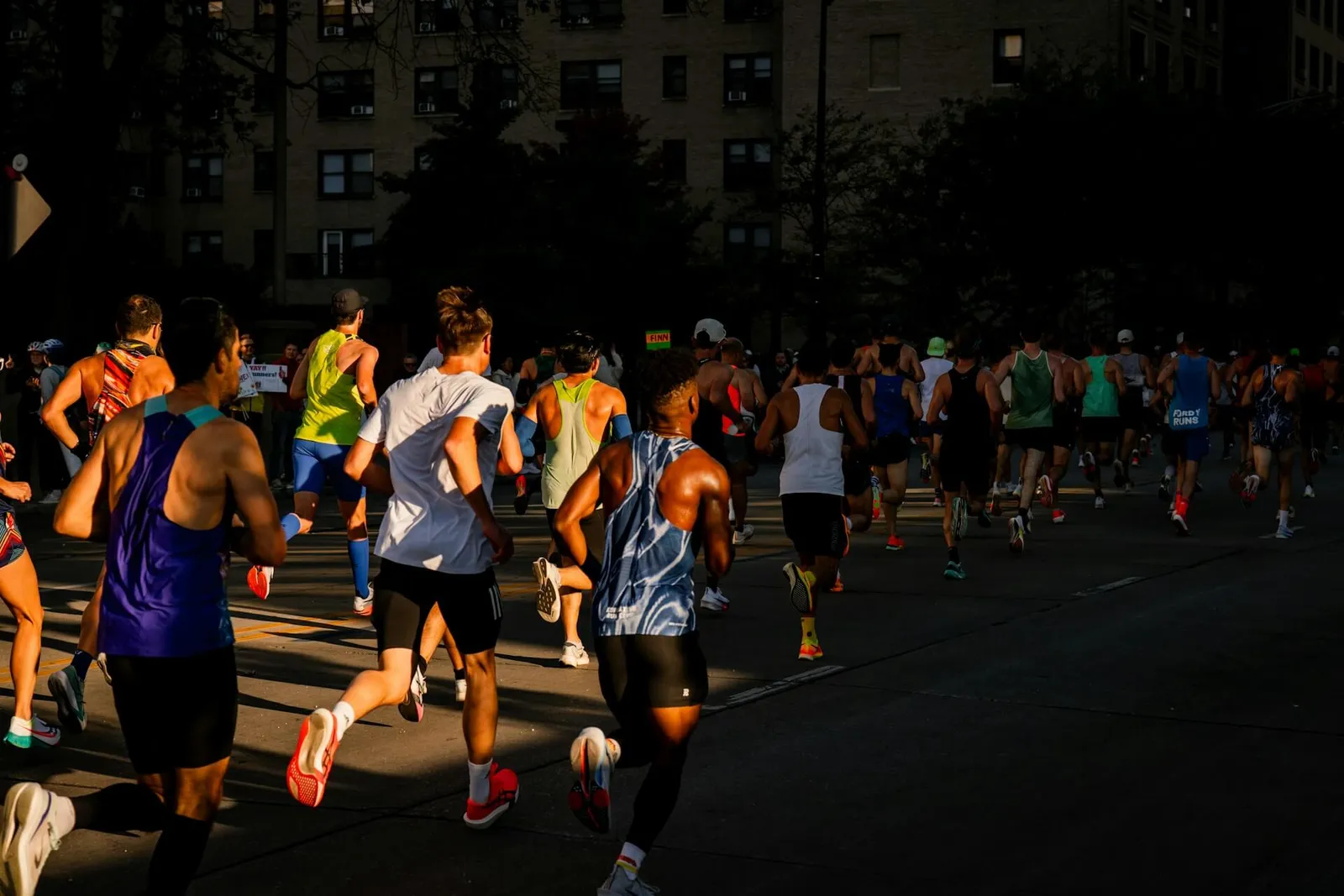
Put only the volunteers who move around on the map: first aiders, runners, the sweep and team leaders. Set up a Radar the evening before, with the end time an hour after pack-down. Add HQ and the other fixed places as stops, and send the invite with the briefing. A Radar holds 20 people on Plus, which covers the roaming crew at most local events.
Volunteers run a huge share of local events. In the US alone, 75.7 million people, 28.3% of everyone aged 16 and over, volunteered through an organisation between September 2022 and September 2023, according to AmeriCorps and the Census Bureau. A lot of that time goes into one-day events: a charity 10k, a school summer fair, a beach cleanup, a food drive.
Most of the people helping at these events do not know the site well. They turn up on the day and learn their role in a short briefing. One coordinator holds the plan and spends much of the event on the phone, asking where people are.
Who goes on the map
A Radar holds 5 people on the free plan and 20 when the host has Plus. Volunteers who join do not pay anything. Twenty is enough for the people who move around during the event, and the limit makes you decide who they are.
Volunteers on fixed posts usually do not need to be on it. At junior parkrun, for example, marshals stand no more than 100 metres apart and keep the next marshal in sight. They stay in the same place for the whole event, and the coordinator already has them on a list.
The map is for the people whose position changes:
- first aiders and anyone carrying a radio or the first aid kit
- runners taking water, cones or forms between stations
- the tail walker or sweep at the back of a run
- setup and pack-down crews
- team leaders on a cleanup, one per group
Before the day
Set up the Radar the evening before, with the end time an hour or so after pack-down is meant to finish. Volunteers often stay later than planned, and the last van can leave well after the official finish.
Add the fixed places as stops: the HQ tent, the first aid point, the water station, the car park, the bin collection point. On the free plan a Radar has one stop, so pick HQ. With Plus you can add as many as the event has. New volunteers then see each place on the map and how far away they are, without needing to know the site.
Send the invite with the volunteer briefing. People then join while they read about their role, not in a rush at the start.
Sending the nearest person
Someone feels faint at the 3 km mark. A water station runs out of cups. A stall at the far end of the fair needs another pair of hands. Without a map, the coordinator rings round to find who is free and close. With one, they can see that the first aider is 200 metres from the 3 km mark, or that the runner with the spare cups is already heading that way.
If someone is hurt, call the emergency number first, then send the nearest first aider. The map shows where people are. It does not raise an alarm or call anyone for you.
On a run, keep an eye on the tail walker's dot. It shows the coordinator where the end of the field is. Marshals can then be told when to leave their posts, and pack-down can start behind the last runner.
Cleanup days
Litter picks and beach cleanups spread groups across a big area, often with no clear boundaries. With each team leader on the map, the organiser can see which stretches are covered and which are not. The next group that arrives goes to a gap. After the end time, the trails show which areas the teams actually walked. The ended Radar stays in the host's history for 45 days on Plus (7 on the free plan), so the trails are still there when you plan the next one.
Asking volunteers to share
Volunteers are not staff, and some will be uncomfortable sharing their location, even for an afternoon. Say why you are asking in the briefing. Say that sharing only runs during the event and stops at the end time, and make it optional. Anyone who would rather not join can still be reached by phone.
What it does not do
We built OnTime for groups of friends and small crews, so a Radar tops out at 20 people. It does not scale to hundreds of volunteers, and it does not replace radios at large events or the safety plan the event already needs. For a big race, put the coordinators and roaming crew on the map and keep the marshal list on paper.